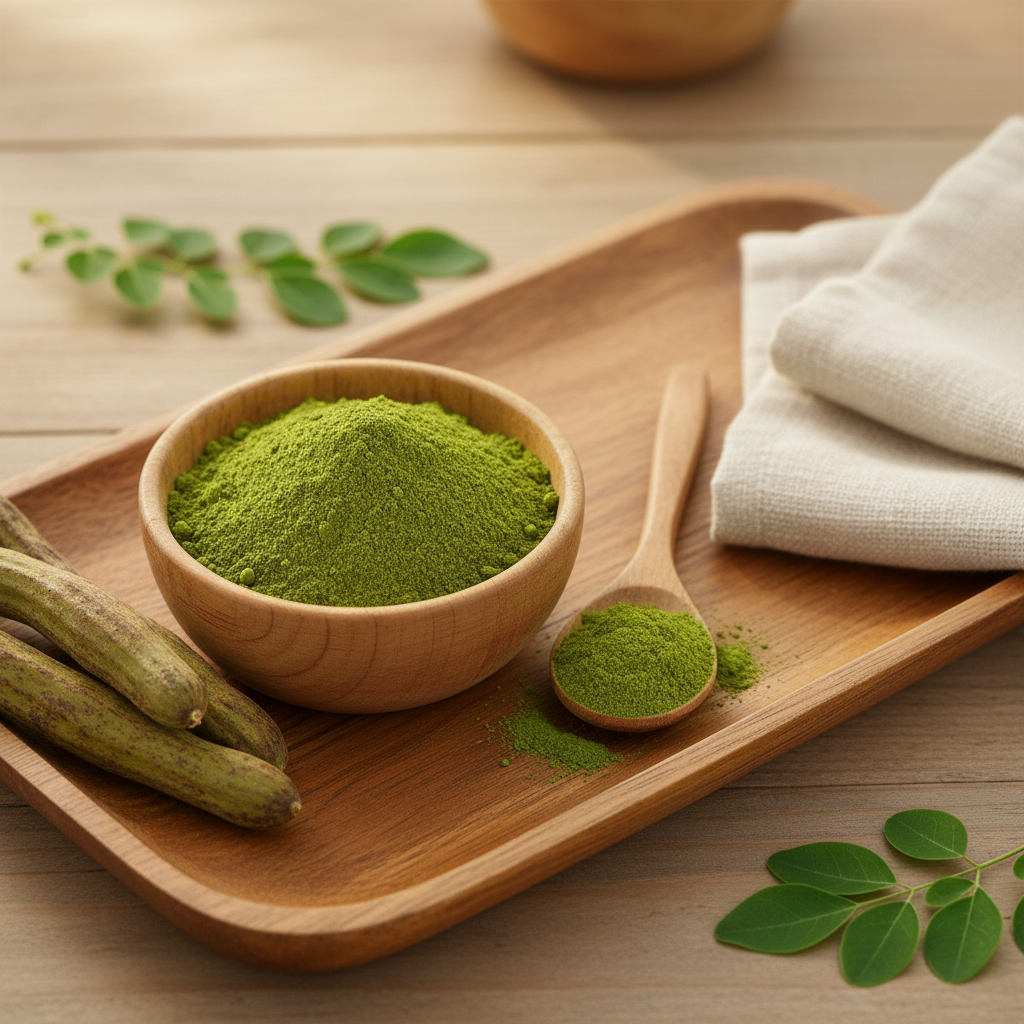
In the vast world of natural health, few plants have garnered as much acclaim and scientific interest as Moringa oleifera. Known colloquially as the “miracle tree,” “tree of life,” and “drumstick tree,” this fast-growing, drought-resistant plant has been a cornerstone of traditional medicine and nutrition for centuries.[6]
From its nutrient-dense leaves to its beneficial seeds and pods, nearly every part of the Moringa tree is utilized for its remarkable properties.[33]This comprehensive guide delves into the science behind Moringa's benefits, exploring its extraordinary nutritional profile, its potent antioxidant powers, and its role in supporting everything from heart health to metabolic balance.
The Nutritional Powerhouse: 90+ Nutrients
A significant portion of Moringa's “miracle” status stems from its astonishingly rich nutritional content. Scientific analysis confirms that Moringa leaves are an exceptional source of essential vitamins, minerals, proteins, and other bioactive compounds.[6][33]
Complete Plant Protein
Moringa leaf powder boasts a protein content of 25-30% by dry weight.[2][34] Crucially, this protein is “complete,” meaning it contains all nine essential amino acids. This is a rarity in the plant kingdom and makes Moringa invaluable for vegetarians, vegans, and anyone looking to boost their protein intake naturally.
Spectrum of Vitamins and Minerals
The vitamin and mineral content of Moringa is where it truly outshines other superfoods:
- Vitamin A (Beta-Carotene): Crucial for vision, immune function, and cellular health[1]
- Vitamin C: Essential for immune function and collagen production[1]
- B-Complex Vitamins: Thiamine, Riboflavin, and Niacin support energy metabolism[4]
- Vitamin E: A fat-soluble antioxidant protecting cell membranes[4]
- Calcium, Potassium, Iron: Essential minerals for bone health, blood pressure, and oxygen transport[1]
The Antioxidant Army: 46 Compounds
One of the most celebrated attributes of Moringa is its immense antioxidant capacity. Research indicates Moringa contains over 40 natural antioxidant compounds that effectively eliminate free radicals.[15]

Key Antioxidant Compounds
- Flavonoids (Quercetin, Kaempferol): Potent antioxidants that help regulate blood pressure and blood sugar[6][11]
- Phenolic Acids (Chlorogenic Acid): Helps moderate blood sugar levels after meals[9][15]
- Vitamins C and E: Classic antioxidant vitamins working in tandem[4]
- Carotenoids: Beta-carotene protects against oxidative stress[1]
- Isothiocyanates: Upregulate the body's own antioxidant enzymes[4]
The antioxidant activity of moringa may protect against nervous system disorders by reducing oxidative stress.[16]
Robust Immune Support
A strong immune system is the body's first line of defense. Moringa supports immunity through a multi-pronged approach.
Anti-inflammatory Action
In vitro studies show moringa leaf extracts reduce pro-inflammatory signaling in macrophages by suppressing levels of COX-2, IL-1β, IL-6, and TNF-α.[11] Moringa contains isothiocyanates and flavonoids that inhibit key inflammatory pathways, including NF-κB.[11]
Immunomodulatory Effects
Bioactive compounds like glucosinolate derivatives and β-sitosterol contribute to moringa's ability to modulate the immune system and inhibit chronic inflammation.[15]
Anti-infectious Properties
Research has shown that Moringa extracts exhibit antimicrobial activity against harmful bacteria like E. coli and Staphylococcus aureus, as well as various fungi and viruses.[15]
Promoting Heart Health

Blood Pressure Regulation
Moringa has demonstrated angiotensin-converting enzyme (ACE)-related antihypertensive effects, which can contribute to healthy blood pressure levels.[11]
Cholesterol Management
Clinical trials suggest moringa supplementation can lower LDL (“bad”) and total cholesterol in individuals with elevated levels.[34]This is thought to be due to its ability to limit cholesterol absorption and regulate lipid metabolism in the liver.
Cardiovascular Protection
The antioxidant quercetin, found in moringa, may help prevent lipid formation and inflammation that contribute to heart disease.[16]
Balancing Metabolic Health
Glucose Regulation
A randomized controlled trial showed that daily consumption of moringa leaf powder significantly reduced fasting blood glucose in adults with type 2 diabetes.[34] Compounds like chlorogenic acid slow sugar absorption in the intestines, while polyphenols like quercetin and kaempferol inhibit carbohydrate-digesting enzymes.[11][15]
Insulin Sensitivity
The polyphenol kaempferol activates AMPK and promotes GLUT4 activity, which can improve insulin sensitivity.[11]
Gut Microbiome Support
Studies show moringa can have a beneficial effect on the gut microbiome, increasing the diversity of gut microbiota and reducing harmful bacteria.[12][17]
Soothing Digestive Health
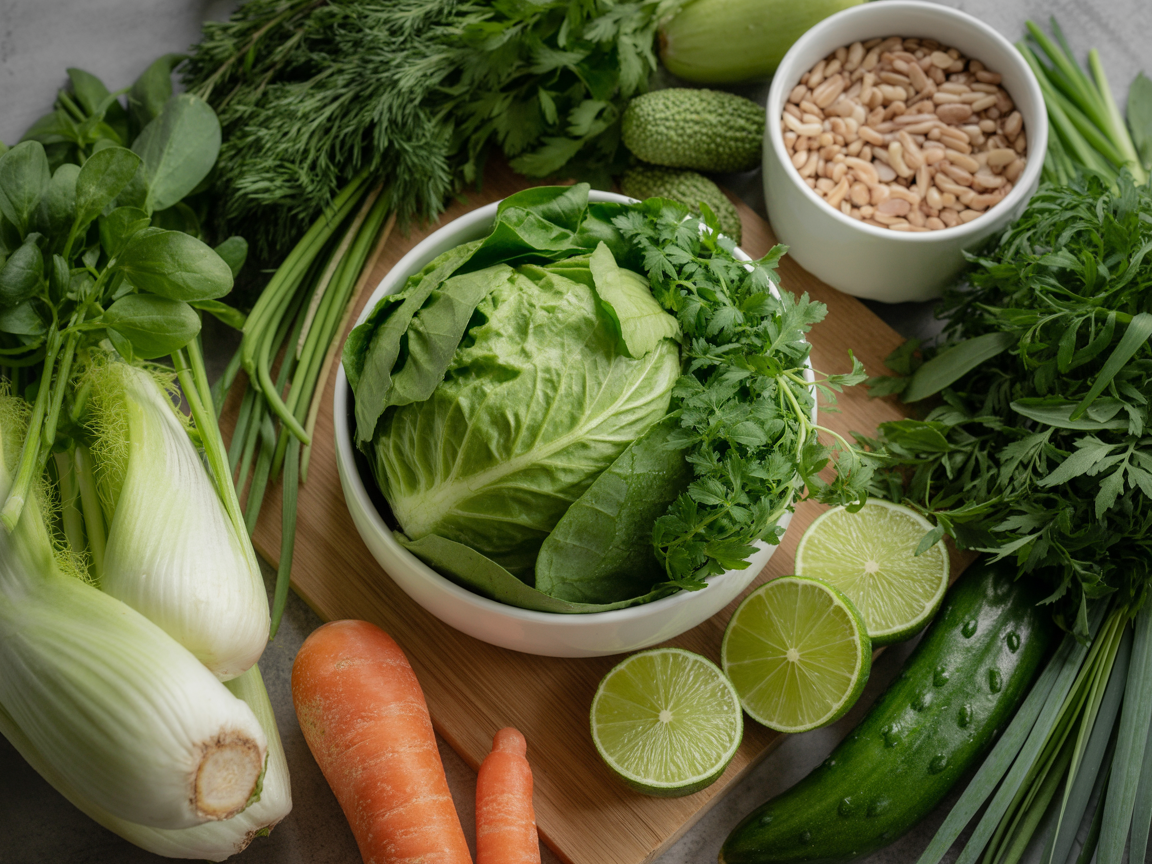
Moringa's benefits for the digestive system are largely tied to its high fiber content and potent anti-inflammatory properties.
- Colitis Support: Polysaccharides from moringa leaves alleviate experimental colitis by inhibiting inflammation and maintaining the intestinal barrier.[19]
- Stomach Protection: May help reduce stomach acid secretions, offering potential protection against peptic ulcers.[16]
- Digestive Regularity: High dietary fiber promotes regular bowel movements and feeds beneficial gut bacteria.[16]
Enhancing Energy & Vitality

While not a stimulant like caffeine, many users report sustained increases in energy and vitality when taking Moringa. This effect is the cumulative result of its comprehensive benefits:
Why Quality Matters
The incredible benefits of Moringa can only be realized if the plant is grown, harvested, and processed correctly. Research consistently shows thatshade drying preserves significantly more nutrients than sun drying.[23][24]
Frequently Asked Questions About Moringa
These are the most common questions people ask about moringa, answered with evidence from peer-reviewed research and trusted health sources.[F1][F2][F3]
1Is moringa safe to consume daily?
2How much moringa should I take per day?
3Can moringa help with weight loss or diabetes management?
4What are the side effects of moringa?
5How do I use moringa leaves?
6Is moringa better than other superfoods?
7Does moringa protect the liver?
Important: While moringa's benefits are promising, many findings come from animal or in-vitro studies, or small human trials. Moringa is not a cure-all. Always consult a qualified healthcare professional before adding any supplement to your routine, especially if you are pregnant, nursing, or managing a medical condition.
Conclusion
Moringa oleifera has rightfully earned its title as the “miracle tree.” Its extraordinary nutritional density, combined with a vast arsenal of antioxidant and anti-inflammatory compounds, provides a foundation for profound, system-wide health benefits.
However, to harness its full potential, the evidence strongly supports choosing products derived from shade-dried leaves, as this method best preserves the delicate compounds responsible for its powerful effects.
Disclaimer: The information provided in this article is for educational purposes only and is not intended as medical advice. Always consult with a qualified healthcare professional before beginning any new supplement regimen, especially if you are pregnant, nursing, have a pre-existing medical condition, or are taking medications.
References
This guide is backed by 30+ peer-reviewed scientific sources.View complete references →
[1] Moringa oleifera is a Prominent Source of Nutrients with Potential Health Benefits - PMC
[2] Nutritional and functional properties of Moringa oleifera - PMC
[4] Moringa oleifera Lam.: A Nutritional Powerhouse - MDPI
[6] Moringa oleifera: An Updated Comprehensive Review - PMC
[9] Moringa oleifera Lam.: Comprehensive Review - PMC
[11] How moringa supports immunity - News-Medical.net
[12] Effect of Moringa on Gut Microbiome - PMC
[15] Moringa oleifera: A Potential-Promising Functional Food - PMC
[16] Moringa: 15 possible benefits - Medical News Today
[17] Moringa modulates gut microbiota - PMC
[19] Polysaccharides from Moringa Ameliorate Colitis - Frontiers
[23] Phytochemical comparison of sun-dried vs. shade - Phytomedicine
[24] TOPSIS evaluation of drying methods - Springer
[25] Introducing Dr. Joshua Plant - Partner.Co Blog
[29] Moringa Appetite Suppression Cap - GlobeNewswire
[33] Health benefits of Moringa oleifera - PubMed
[34] Moringa Benefits: What the Science Says - Delve
FAQ Sources:
[F1] 6 Science-Based Benefits of Moringa oleifera - Healthline
[F2] Health Benefits of Moringa oleifera - PMC (NCBI)
[F3] Moringa: What are the benefits? - WebMD